Diversification has been an elusive target for years. What are our competitors doing — and what are we failing to make of what we already have?
Cultural Tourism: What are the prospects?
Diversification of our tourism sector has, for many years, been an elusive target, even though it is clear that for Seychelles to continue to base its appeal mainly on sand, sea and sun is likely to see us lose a competitive edge in a market where diversity of tourists' experience is increasingly important.
Many within the tourism sector feel that, despite recent progress, more can be done to develop areas such as cultural tourism and provide richer visitor experiences within the context of the arts and gastronomy. However our past achievements in these areas are minimal, and even when we have something significant going on we have been slow to market events such as major festivals and art exhibitions to an international audience. Efforts to partner the traditional vacation experience with classical music festivals and even dentistry have largely failed to capture the imagination of potential visitors.
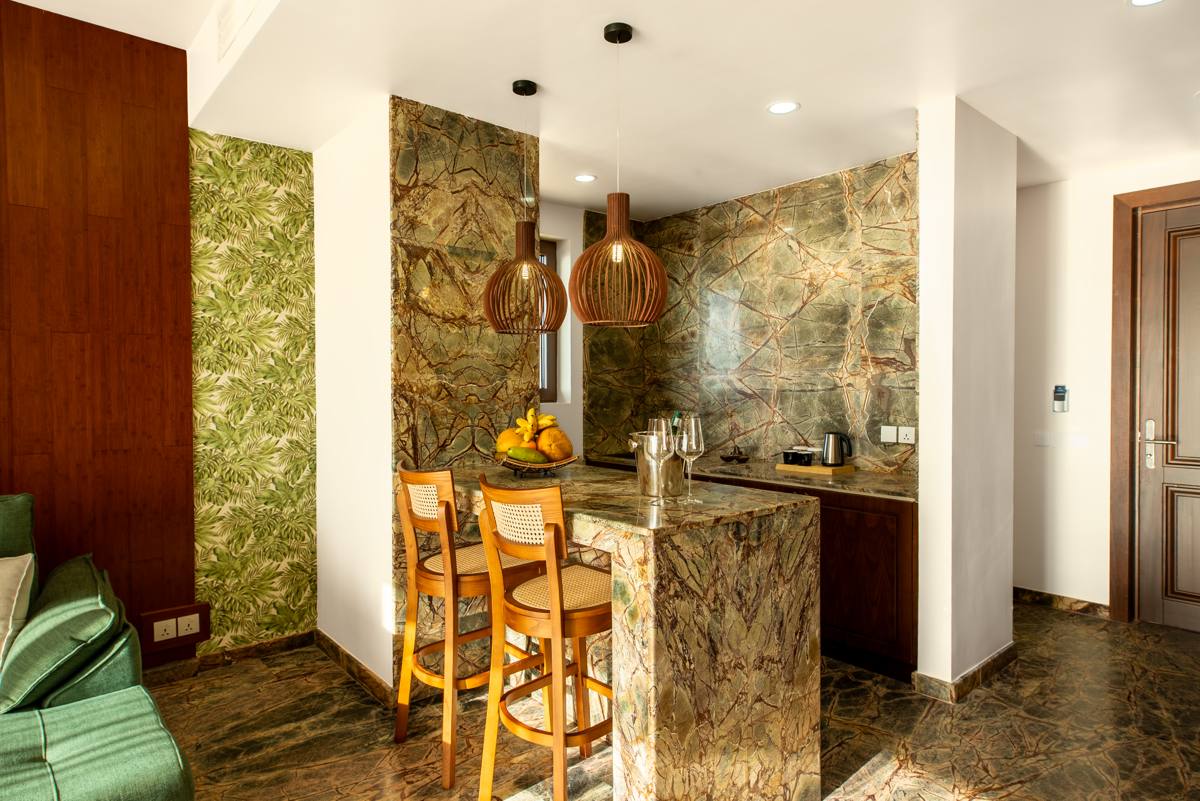
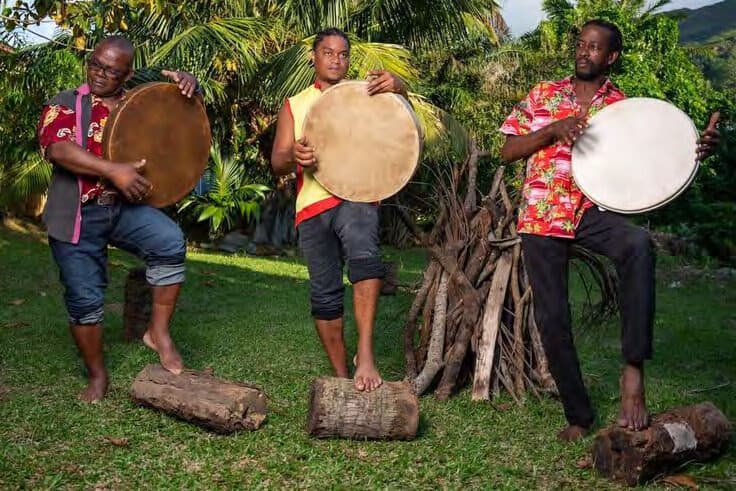
This might well be a case of not fully exploiting the resources that we already have. Seychelles has museums and galleries as well as a vibrant informal programme of dance and music in our hotels. We have cultural 'routes' which can include visits to historical buildings and artifacts (such as the recently restored clocktower). We have a powerful gastronomic signature, with Creole cuisine potentially at the heart of any holiday experience. All things considered we have the opportunity to position ourselves as the cultural heart of the Creole Indian Ocean. It's worth asking what some of our competitors are doing.
The government in Maldives has officially designated 2027 as 'Visit Maldives Year', a nationwide campaign marking 55 years of mainstream tourism in the country. This 12 month programme is embedded in much of the nation's current marketing strategies and includes the kind of elements which the country hopes will emphasise authentic Maldivian culture and attract tourists who might not be tempted by the nation's more traditional beach and resort tourism model.
Meanwhile Mauritius is finalising the wide promotion of annual/recurring events such as Cavadee, the Chinese Spring Festival and the Maha Shivaratree pilgrimage, which all take place in the first quarter of next year. All of these 'added value' events can be presented as fully integrated with the traditional beach/sea/sun holiday experience.
Our government's decision to place Tourism and Culture within the same ministry is sensible, and is a move which will offer obvious potential marketing benefits which the new STB will be mindful of. But the challenge will be how to extend international awareness of ongoing, year-round experiences (for example museums, heritage sites and Creole cuisine) and complement this with making our culture more visible through flagship festivals, biennales and triennials.
Such events have the potential to have a positive impact on visitor numbers; for example the relatively small art biennale held in Kerala, India, led to an increase in domestic and international tourism in the Cochin area. 62% of international visitors to the biennale were visiting Kerala for the first time, suggesting that the event itself was a major motivation for their trip. Generally art biennales have been proven to increase hotel occupancy, attract high-spending cultural travelers and generate international media coverage.
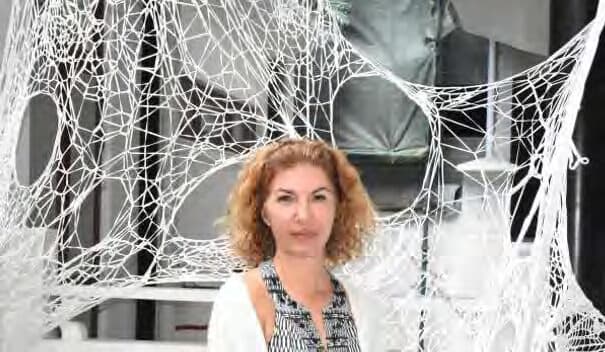
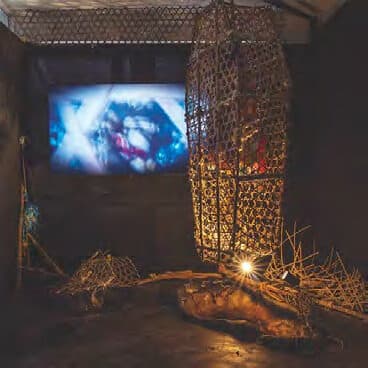
We can learn much from our last two 'home-grown' art biennales, held in 2017 and 2022 respectively. The second attracted 10,000 visitors in the month it was open, free of charge, at 6 destinations on Mahe and Praslin. Many of these visitors were tourists, however none of them had booked their vacation with the biennale in mind, simply because they were unaware of it until they literally walked past the exhibition locations. The event had not been promoted to OTAs and the international market in general. So tourists took advantage of a happy coincidence, with some saying that they knew people who would have considered coming to Seychelles principally for the biennale experience and enjoying the environment as supplementary. One of many lost opportunities.
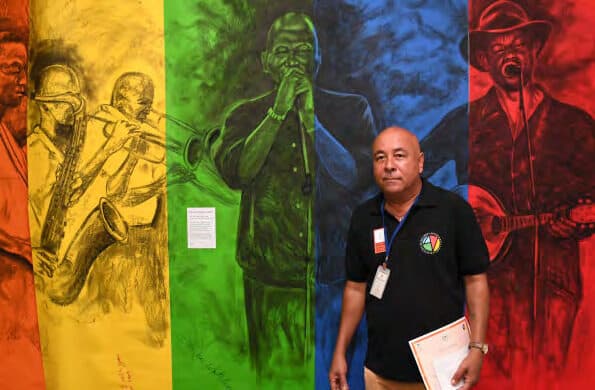
Hopefully we can in future capitalise on major cultural events by marketing them at least a year in advance, potentially offering inclusive packages should, say, a large festival featuring art, drama, music, dance, literature and film, be staged in the next couple of years. In the meantime many existing cultural resources could be brought together in a comprehensive marketing plan which will enhance and extend our attraction as a destination offering more than the traditional destination values which many potential visitors might believe are the only things 'on the table'.
Creole Travel Services supports fine art education programme
Partnerships between the tourism sector and cultural institutions are, thankfully, often seen in Seychelles, with major national, government-led cultural events benefitting from meaningful levels of sponsorship from the private sector.
But these are generally 'one off' injections of support in cash and kind. Ongoing support remains rare.
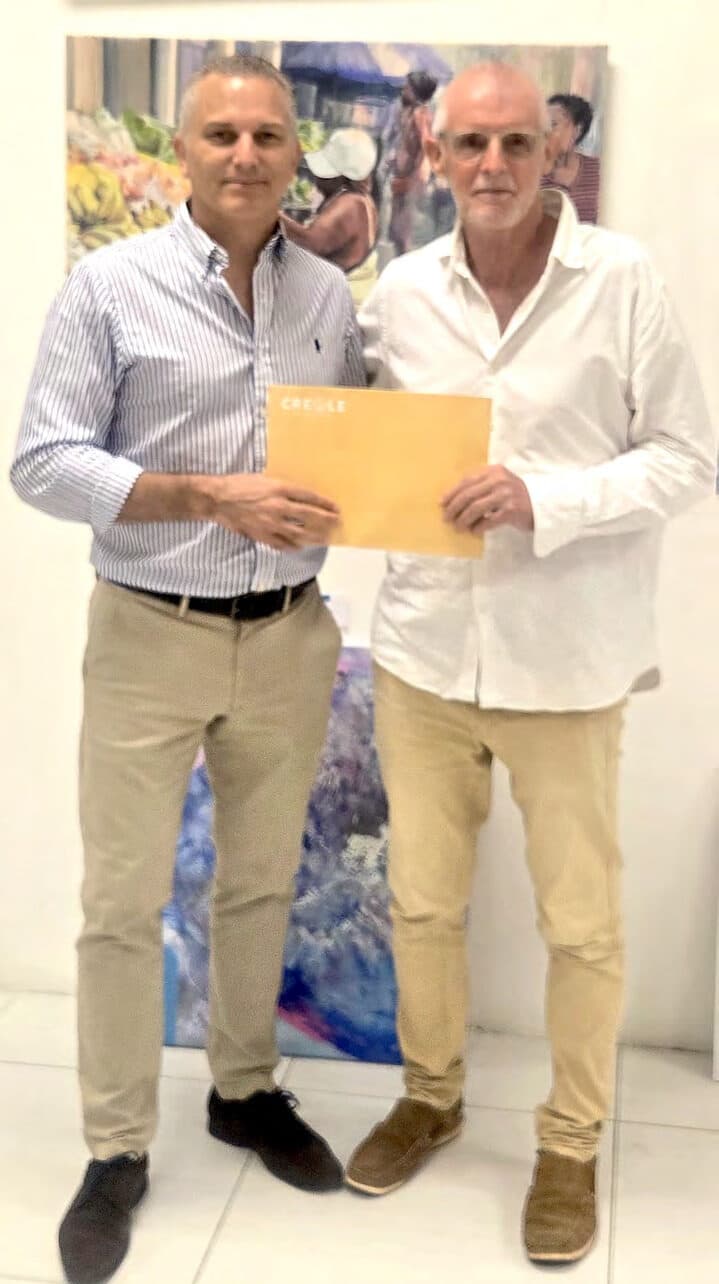
And so it is particularly pleasing to report on a new partnership between Creole Travel Services and the Seychelles Cultural Foundation (which oversees the Eden Fine Art Gallery – the nation's most important private contemporary art gallery). Under the terms of a recently signed MOU between the two organisations, CTS will support the gallery's education programme, designed to facilitate creative and cultural education for the youth of Seychelles.
This is a typically generous initiative on behalf of a company that consistently champions Seychellois values, traditions and culture. The agreement signed by CTS CEO Guillaume Albert and SCF Chairperson Martin Kennedy makes explicit the company's commitment to supporting a programme designed to bring artists and students together in the Eden Plaza gallery space, and foster a deeper understanding in young Seychellois of the value the arts can play in their lives, both personally and professionally.
This is an important legacy for a brighter Seychelles, where the standing and status of the arts will be elevated through greater direct participation in creative work by young people. For older students the programme will also help them to improve external examination grades, for example at IGCSE and Advanced level, whereby proven and effective involvement and interaction with local artists can boost final grade outcomes.
Seychelles Cultural Foundation and Eden Fine Art gallery will be working with local schools and SIAD to share our knowledge, help nurture skills, and show the many pathways which young creatives may take to succeed in the arts. In addition, Creole Travel Services' partnership with us will enable young people to make greater sense of their lives and the lives of others through awareness of the importance of visual communication, design and creative thinking.
Seychelles culture and creativity is worthy of sustained support and together, CTS and the SCF are sowing the seeds of creativity for future generations.
This has relevance to our tourism sector of course, not just because of the involvement of one of the country's leading DMCs, but also because the initiative will raise awareness and standards within a cultural context (see above article). Both parties hope that some of the fine art students benefitting from the scheme will eventually position themselves within the cultural tourism sector, either through selling work or interacting directly with tourists, particularly through visitor enrichment programmes at some of our larger hotels.
This bulletin was sent to SHTA members on 16 June 2026 and is reproduced here in full. The original as it was designed and circulated is below.
Download the original (PDF)